The Paper-First Method

Everything I build starts on paper.

Paper.→Pushback.→Production.

A way to build software with AI where you do the thinking and the AI does the building. You design it on one page, make the AI argue with it, then let it build inside the structure you decided.

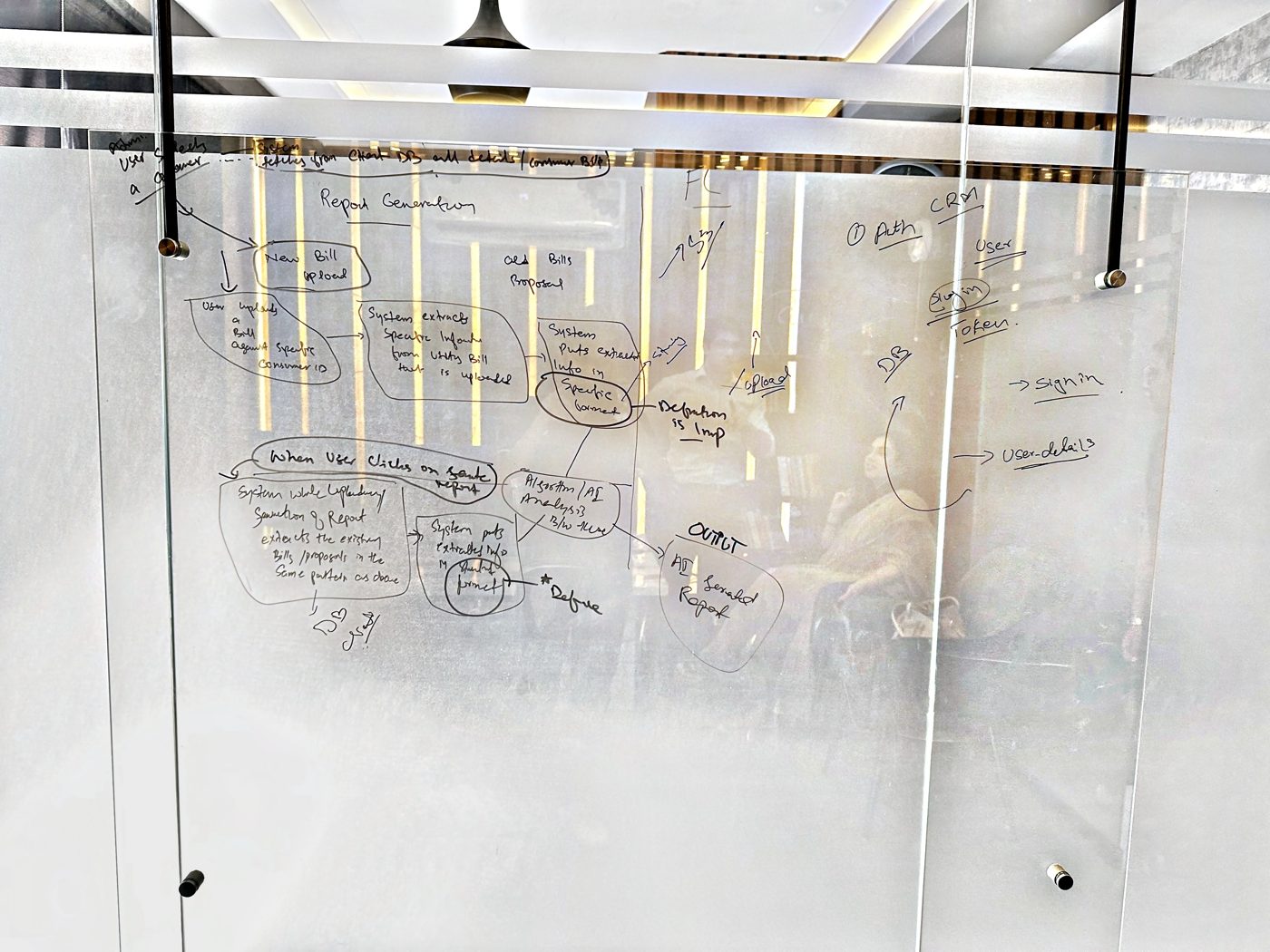
A system design sketched on a glass wall
my glass wall, Oct 2024
if it isn't on a page, it isn't a plan yet.
Why

AI can write the code.
It can't decide what's worth building.

The tools got fast. The thinking didn't move. Most AI-built software fails before the first prompt: nobody drew the flow, nobody asked where it breaks, and nobody decided where a human has to say yes.

01

Prompting without a plan

You describe the app in a chat box, it builds something plausible, and you rebuild it three times as you discover what you meant.

02

An AI that only agrees

Ask an assistant if your idea is good and it says yes. If it never pushes back, you're not designing. You're decorating.

03

Nobody owns the structure

Let the tool pick the stack and the folders, and you inherit a codebase nobody can explain, including you.

I lost $20,000 paying other people to build what I'd specified but couldn't see. Paper-first is what I do now.

The method

Three beats. You own the first two.

The AI is brilliant at the third. It's only safe when the first two are done by a person.

1

Paper

One page, pen not keyboard. The flow, the journey, the architecture. Where the AI sits, and where a human must say yes.

Step 1
2

Pushback

Read the page out loud to Claude and make it disagree. Five questions, until the page is honest. Then you decide the architecture and the stack.

Steps 2 – 4
3

Production

A six-line brief becomes one build prompt per service. The AI builds inside your structure. You review like an architect, ship, and go back to paper.

Steps 5 – 7
7 steps

The same seven steps, every time.

I use Claude to think and Cursor to build. The method doesn't depend on either. Swap in your tools; keep the order.

Paper→Pushback→Architecture→Stack→Brief→Build→Ship
STEP 01
Paper

Draw the page

One sheet, three boxes, before you touch a tool.

  • Flow: who starts it, what they see, what they get, where it ends. Arrows, not sentences.
  • Journey: first use, the hard case, the day it saves them. One sentence each.
  • Architecture: a box per service, a cylinder per data store, a star where the AI sits, a hand where a human says yes.
Draw the hand first. An empty box means you're not ready.
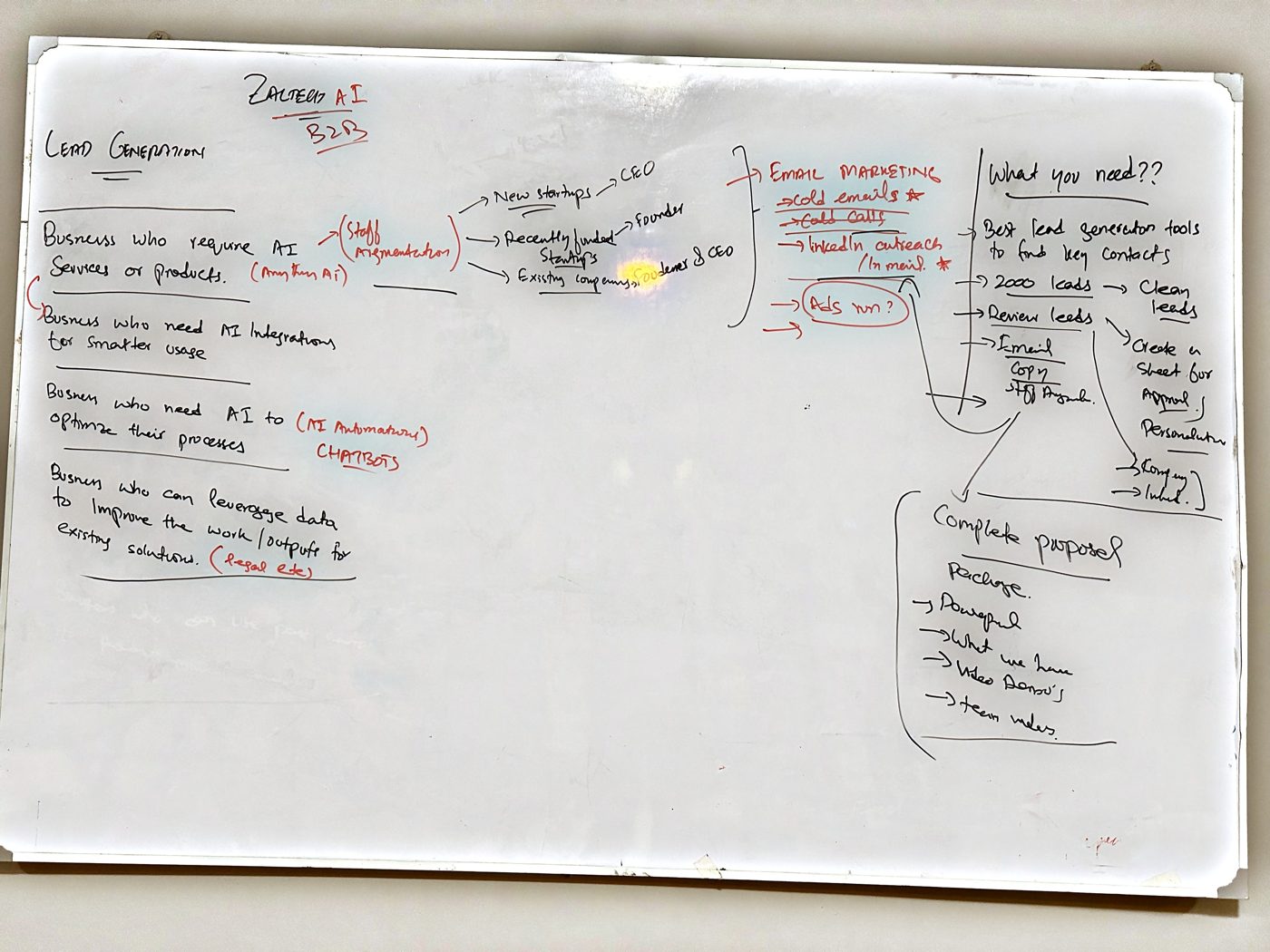
A lead-generation flow drawn on a whiteboard
a flow, boxes to components
STEP 02
Pushback

Read it out loud to Claude

A voice session, 20 to 40 minutes. Read the whole page first, no questions. Then ask:

  • What's missing from the flow?
  • Which of these ideas is bad, and why?
  • Where does it break at ten times the users, or the day the model is down?
  • What happens when the AI is wrong here, and who notices?
  • What's the simplest architecture that survives those answers?
End the call when the page is honest, not when it's pretty.
the answer you want
a specific box,
one bad idea, one reason,
a named failure you can picture,
fewer boxes than you started with.
STEP 03
Pushback

Turn the page into an architecture

Boxes become services. Data becomes stores. The star becomes a retrieval step, a reviewer and a confidence gate. The hand becomes an approval nobody can skip.

You decide. Claude checks.

the gate
retrieval → draft → reviewer
→ confidence gate
→ send · flag · ask a human
STEP 04
Pushback

Pick the stack yourself

Whatever the product needs. The stack is your call, because you'll own it in production. The AI can suggest; it doesn't decide.

STEP 05
Production

Write the six-line brief

Claude turns the page and this brief into one build prompt per service, each with the files to create, the tests to write, and the line that says it's done.

The line most people forget is NEVER.
build brief
STACKthe exact stack
STRUCTUREfolders, services, tests
AIretrieval · reviewer · gate
RULEStyped · env · logged
DONEdeploys from main
NEVERmock data · silent failures
STEP 06
Production

Let it build. Review like an architect.

The AI builds in the structure you decided, one service at a time. A hundred revisions is normal. After every service, five checks: structure, failure paths, the gate, the NEVER lines, hand-over.

Review like an architect, not a typist. Read the error paths before the happy path.
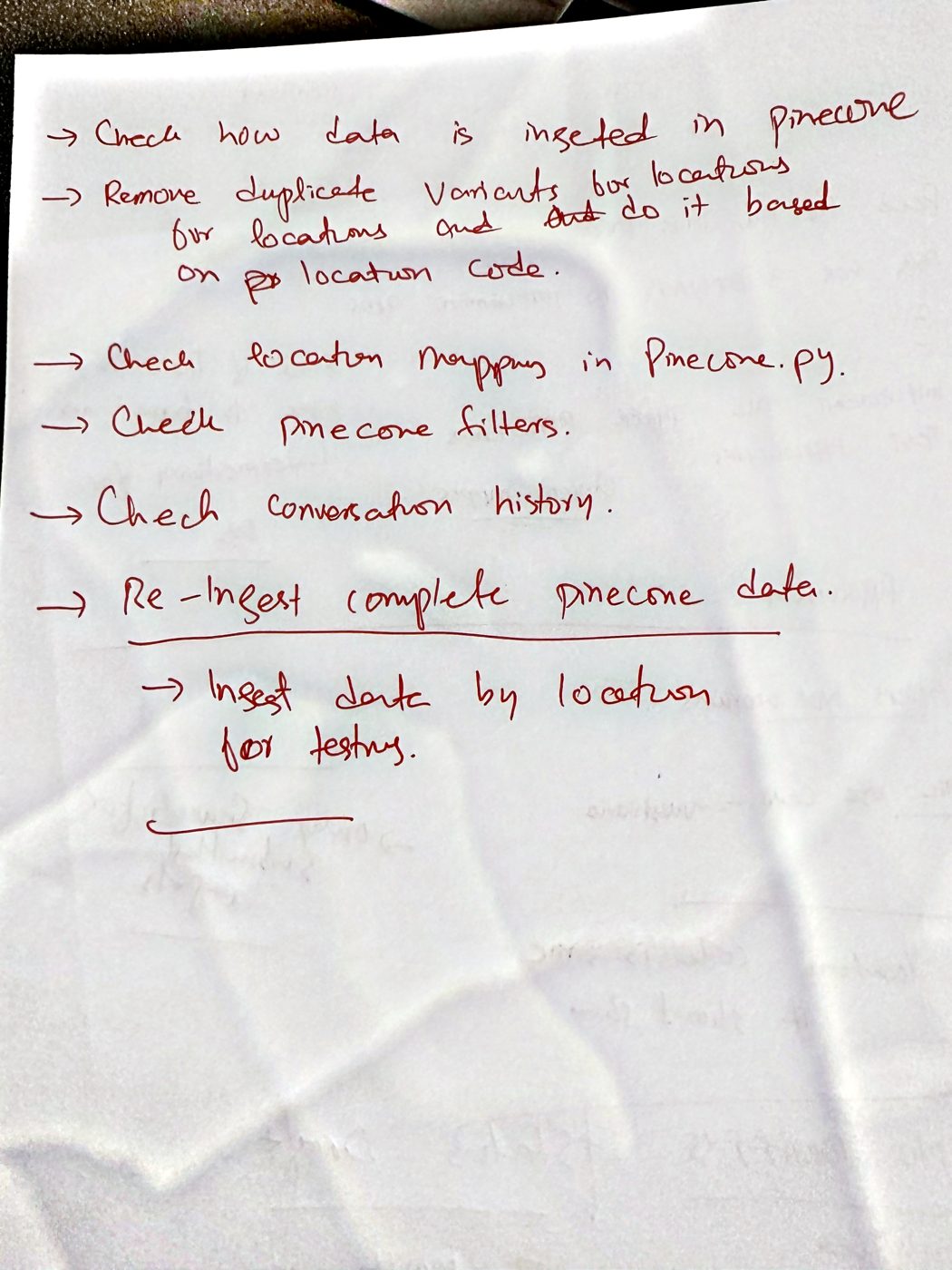
A notebook page of review notes on a data pipeline
review notes, March 2025
STEP 07
Production

Ship. Then back to paper.

Deploys from main. Seeded demo data. A runbook with three lines: restart, who to call, rollback. Then the next page.

If only you can run it, it isn't done.
Free templates

Everything you need for your next build.

The exact templates I use. Copy them into your notes, or download them as Markdown. Free, no email.

Paper

The page

Three boxes on one sheet: flow, journey, architecture.

FLOW        who starts → sees → gets → ends
JOURNEY     first use · hard case · the save
ARCHITECTURE  services · data · ★ AI · ✋ human
Pushback

The five questions

The script for the voice session, with what a good answer looks like.

1 What's missing from the flow?
2 Which idea is bad, and why?
3 Where does it break at 10x?
4 What happens when the AI is wrong?
5 What's the simplest architecture left?
Production

The build brief

Six lines, with a filled example from a real build.

STACK · STRUCTURE · AI
RULES · DONE · NEVER
Production

The review

Five checks after every service, before the next one starts.

structure · failure paths · the gate
NEVER lines · hand-over

Free to use and share with credit: “The Paper-First Method by Sohaib Waheed” (CC BY 4.0).

The rules

Six lines to remember.

PaperIf it isn't on a page, it isn't a plan yet.
PaperDraw the hand first. The rest arranges itself.
PushbackIf your AI only agrees with you, you're decorating.
PushbackEnd the call when the page is honest, not pretty.
ProductionSay what it must never do before what it should.
ProductionReview like an architect, not a typist.
Sohaib Waheed

Sohaib Waheed

Founder & Head of AI · Zaltech AI
Who made this

A product manager who learned to build.

I spent years writing specs for software I couldn't build myself, and paying other people to build it. In 2021 that cost me $20,000. So I learned the part I couldn't see: architecture, retrieval, agents, the code.

The Paper-First Method is the process that came out of it. Paper, a voice session with Claude, the architecture, the stack, the prompts, Cursor, deploy. It's how I've built 25–30+ applications, and how my company, Zaltech AI, builds today.

25–30+applications built paper-first
7steps, same order every time
1page before any code
Your next build

Start with a page.

Take the templates. Draw the page. Make the AI push back.

Copied